How to Choose the Right Car Insurance Deductible
Learn how to balance your deductible amount with your budget. Find the sweet spot between manageable premiums and affordable out-of-pocket costs.
Read ArticleLearn the basics, compare companies, and choose what fits you best.
Dive deeper into car insurance topics with our comprehensive guides

Learn how to balance your deductible amount with your budget. Find the sweet spot between manageable premiums and affordable out-of-pocket costs.
Read Article
Discover when comprehensive car insurance is worth the cost and when you can skip it. Expert analysis of coverage benefits and cost-benefit calculations.
Read Article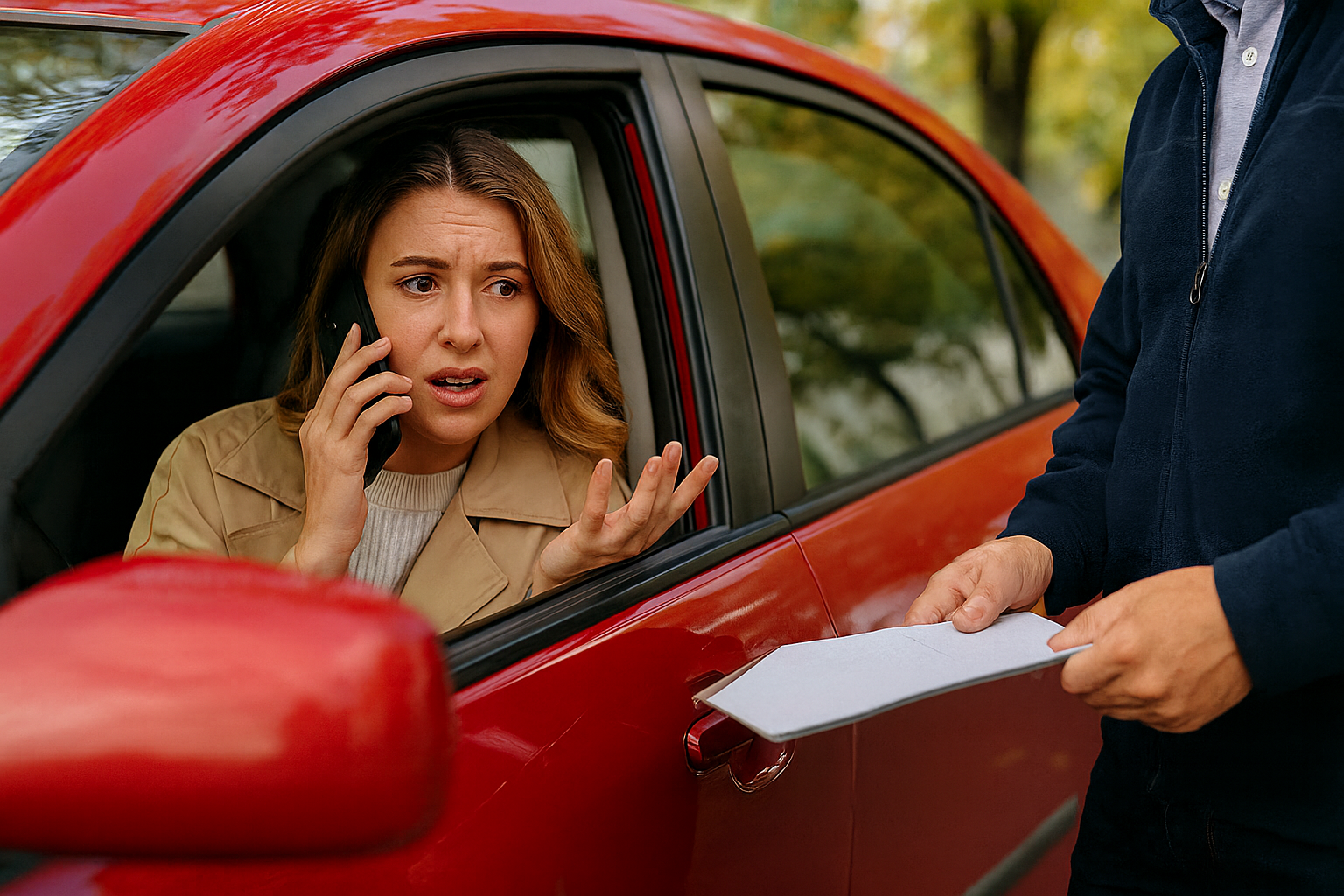
Complete guide to the car insurance claims process. Learn what to expect from filing to settlement and how to navigate each step successfully.
Read ArticleCar insurance protects you from huge bills if you're in an accident. Without it, you could pay thousands out of your own pocket.
Almost every state requires you to have car insurance. Driving without it can lead to fines, license suspension, or worse.
Understanding insurance helps you avoid paying too much or getting too little coverage. Knowledge saves money.
Understand common insurance terms and make better decisions
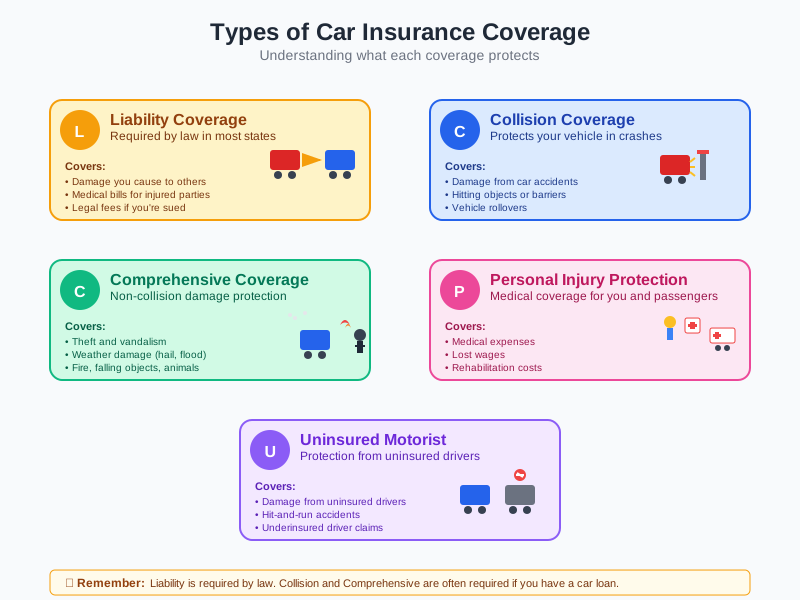
The amount you pay out of your pocket before insurance kicks in. If you have a $500 deductible and $2,000 in damage, you pay $500 and insurance pays $1,500.
Covers damage you cause to other people or their property. If you hit someone's car, liability pays for their repairs and medical bills.
Covers damage to your car from things other than crashes - like theft, vandalism, hail, or hitting a deer.
Pays to fix your car if you crash into something or flip over. This covers accidents, regardless of who's at fault.
Protects you if someone without insurance hits you. Since not everyone follows the law, this coverage has your back.
The process where insurance companies decide if they'll cover you and how much to charge. They look at your driving record, age, car type, etc.
When you ask your insurance company to pay for damage or injuries. You "file a claim" after an accident to get money for repairs.
The maximum amount your insurance will pay for a claim. If damage costs more than your limit, you pay the difference.
Visual guide to understanding what each type of coverage protects
Follow these 5 simple steps to find the perfect insurance for your needs
Think about your car's value, how much you drive, and what you can afford to pay if something happens. Consider your driving habits, location, and financial situation.
Use our glossary above to understand what you're buying. Don't sign up for coverage you don't understand. Knowledge is power when it comes to insurance.
Get quotes from at least 3 companies. Prices can vary a lot for the same coverage. Don't just look at price - consider reputation and service too.
Check what's covered, what's not, and how claims are handled. The cheapest option isn't always the best. Look for hidden fees and exclusions.
Choose the company that gives you the best combination of price, coverage, and customer service. Sometimes paying a little more is worth it for better service.
Use our comparison tools and glossary to make an informed decision about your car insurance.
Compare total costs including premiums and deductibles. A low premium with a high deductible might not save you money.
Make sure you're comparing the same types and amounts of coverage. More coverage usually means higher prices.
Read reviews about how companies handle claims. You want someone who'll be helpful when you need them most.
Find out how easy it is to file a claim and how quickly they pay out. Some companies are much faster than others.
*For educational purposes only - not promotional

Known for competitive rates and online tools

Offers usage-based insurance and comparison tools

Large network of local agents

Offers various discount programs

Excellent service for military families

Customizable coverage options

Comprehensive coverage with local agents

"On your side" with bundling options

Regional focus with personalized service

Strong financial stability and claims service

Roadside assistance and member benefits

Budget-friendly insurance with competitive rates

Affordable minimum coverage insurance

Affordable insurance for high-risk drivers

Budget insurance with local offices
Walk through the claims process step-by-step and learn what to expect
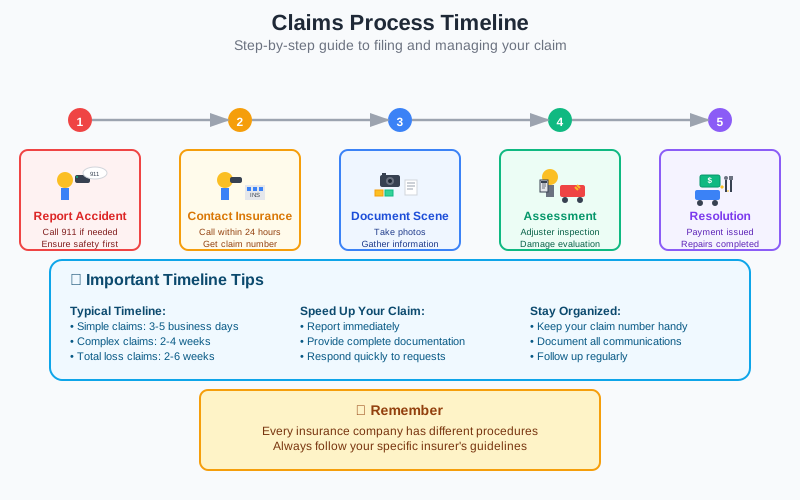
What to do right after the incident
Contact your insurance company
Gather required documents and photos
Insurance adjuster evaluation
Repair or settlement process
These actions should be taken within the first few minutes of the incident.
Most insurers require claims to be reported within 24-48 hours of the incident.
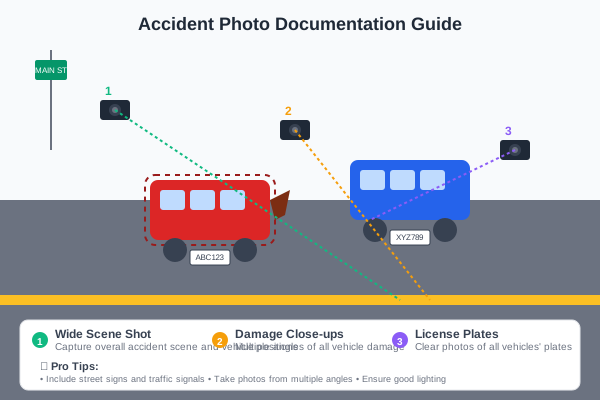
Take photos from multiple angles showing all damage
Wide shots showing vehicle positions and road conditions
Clear photos of all vehicles' license plates
Capture nearby street signs and traffic signals
Take multiple angles of all damage, including close-ups and wide shots
Capture the overall scene, road conditions, and traffic signs
Photograph all vehicles' license plates clearly
Get contact info and insurance details of other drivers
Gather and submit all documentation within 3 days of filing your claim.
Adjuster inspection typically occurs within a week of claim filing.
Resolution time varies based on claim complexity and repair availability.
Full coverage typically includes liability, comprehensive, and collision insurance. If you have a car loan, your lender usually requires it. Even if you own your car outright, full coverage is often worth it if your car has significant value.
Your age, driving record, credit score, location, vehicle type, and annual mileage all affect your premium. While some factors are beyond your control, maintaining a clean driving record and good credit score can significantly reduce your rates.
Yes, you can switch insurance companies at any time. However, it's important to ensure your new policy starts before canceling your old one to avoid any coverage gaps. Never drive without insurance, even for a single day.
At minimum, get your state's required liability coverage. But consider higher limits - if you cause a serious accident, minimum coverage might not be enough. A good rule: get enough to protect your assets.
Stay calm, check for injuries, call 911 if needed, exchange information with the other driver, take photos, and call your insurance company as soon as possible. Don't admit fault - let the insurance companies figure that out.
Be ready for roadside emergencies with the right supplies and knowledge
Click to see what you need in your car emergency kit
Your safety is more important than your car. If you're in danger, get to a safe location and call for help.
Keep emergency numbers handy: 911, your insurance company, roadside assistance, and a trusted mechanic.
Take photos of damage, the scene, and exchange information with other drivers. This helps with insurance claims.
Stay updated with simple tips and advice about car insurance
We'll send helpful tips, not spam. Unsubscribe anytime.